
West End Santa Rosa SEO: Digital Marketing for Historic Neighborhoods [2026]
Dec
Over and over you probably hear that historic neighborhoods don’t really need digital marketing, that word-of-mouth on the block will somehow carry your business forever, but if you’re trying to reach real people in West End Santa Rosa right now, you know that’s only half true at best. You’re serving folks west of Highway 101, south of downtown, in this tight, working-class mix of long-time residents and new families who still Google everything before they call. So your online presence has to feel just as local as chatting with a neighbor on the sidewalk.
When your SEO and content actually sound like West End – talking about Juilliard Park, the old bungalows, those West streets where people really live – you stop feeling like some random business and start feeling like part of the neighborhood. That’s where you win. Because if your website, Google profile, and reviews all show you’re truly rooted here, you’re not just another search result, you’re the local go-to.
Key Takeaways:
- Marketing to West End’s historic neighborhood isn’t about chasing the whole city – it’s about showing up like a good neighbor on the exact streets people actually search, think “West End Santa Rosa plumber near Juilliard Park” instead of just “Santa Rosa plumber”.
- Community-based SEO basically turns your real-world reputation into search power, using community SEO services to connect your website, Google profile, and content to things residents already care about: parks, streets, local schools, long-time neighbors.
- To reach local residential customers here, you lean into storytelling and history – blog posts, photos, and local content marketing that feature before/after projects on West 9th, shoutouts to Juilliard Park, and real neighbor testimonials with faces, not stock photos.
- Your site should feel like a trustworthy local shop, not a slick agency – simple copy, clear pricing, and friendly neighborhood business web design that loads fast on phones so busy working families can call or text you in two taps.
- The businesses that win West End long-term combine Google Business Profiles, street-specific reviews, and social posts in local groups, so one happy neighbor turns into three more calls on the same block… and that’s where the compounding referrals really start to kick in.
What Makes West End So Special?
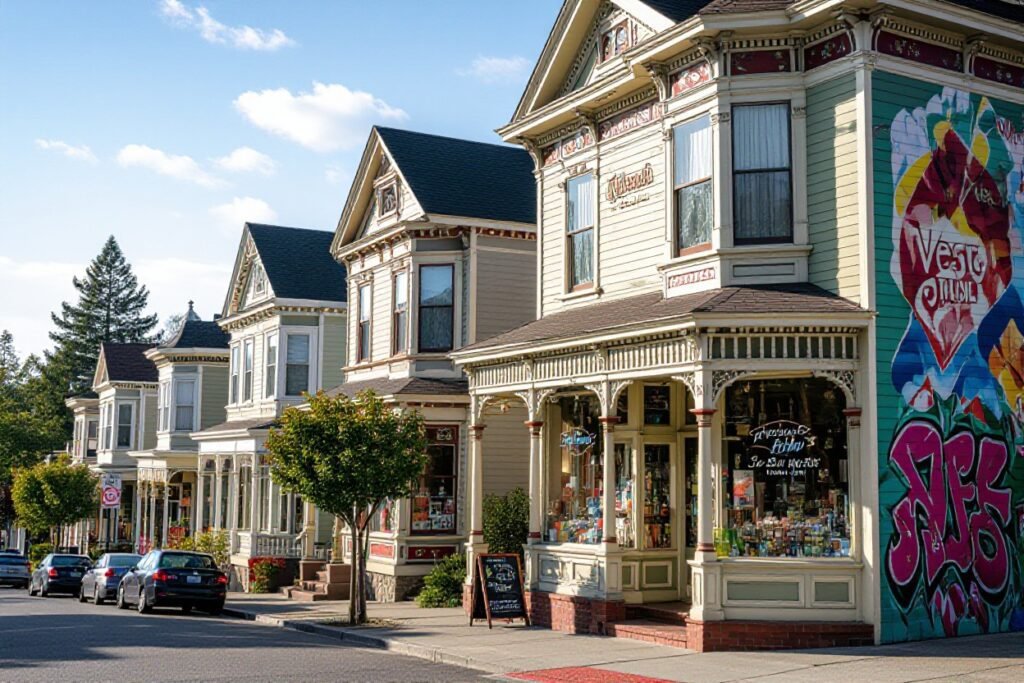
Forget the idea that historic neighborhoods are stuck in the past – West End feels lived-in, current, and wildly local. You’ve got 1920s bungalows right next to fresh remodels, mom-and-pop shops on West 9th and West College, and families walking to Juilliard Park for concerts or soccer practice. You’re marketing to people who literally pass your driveway or storefront daily, so every review, yard sign, and Google search matters. That tight radius of trust is exactly what makes your local SEO efforts hit harder here than in a generic suburb.
A Peek at the Neighborhood’s Vibe
Instead of some polished, postcard district, you’re working in a neighborhood that’s a little scrappy, super friendly, and very “neighbors notice everything.” You’ll see older trucks parked in front of long-time family homes, kids biking toward downtown, and people chatting over fences about contractors they liked (or didn’t). When your SEO and social content actually sound like West End – referencing Juilliard Park, Railroad Square, even the West of 101 traffic shortcuts – residents feel like you’re one of them, not just advertising at them.
Who Calls West End Home?
You’re not just marketing to one neat demographic box here, you’re talking to retired homeowners, young renters, and second-generation families all sharing the same streets. Some neighbors bought in the 80s, others moved in last year for the walkability to downtown and Railroad Square. Working families juggling multiple jobs, tradespeople with trucks in the driveway, creative folks priced out of other areas – they all live here. That mix makes your targeting, messaging, and service offers way more interesting.
So when you plan your SEO and content, you’re really planning for overlapping life stages in a 10-minute walking radius. You’ve got older residents who still prefer phone calls but will absolutely read your Google reviews, plus younger couples who search “West End Santa Rosa plumber near me” from their phones at 9:30 pm. You might clean the same craftsman house every month for years while also picking up new clients from renters nearby who saw your work on Instagram. And because neighbors talk – at the park, at schools, outside the small markets – every digital win you get can ripple down West 3rd, West 7th, and beyond.
The Lowdown on Community-Centered SEO
Instead of chasing the whole city, you zoom in on a few West End blocks and make them your entire online universe. Community-centered SEO means you bake street names, landmarks, local slang, and real neighbor stories right into your content, your Google profile, and your reviews. You basically turn your website into a digital version of chatting over the fence, so when someone nearby searches “West End Santa Rosa plumber” or “near Juilliard Park electrician”, you feel like the obvious, local-first choice.
Why It Matters for Local Business
Most of your best customers already live within a mile or two of you, so community-centered SEO lets you show up exactly where they search: “West 9th gutter cleaning” or “West End Santa Rosa dog groomer.” Instead of blending into generic city results, you tap into micro-neighborhood intent, which usually converts 2 to 3 times better. You’re not just another listing, you’re the business their neighbor mentioned at the block party last weekend.
Getting Real with Community SEO Services
Real community SEO is less about fancy dashboards and more about mapping your services to actual streets, parks, and people. You focus on West End projects, local reviews, and hyper-specific keywords like “near Juilliard Park” or “west of 101 home repair” so search engines connect you to real residents, not random drive-through traffic.
In practice, you’re stitching together a bunch of small, very local signals that add up fast. You write project blurbs like “replaced a 1940s heater on West 8th,” ask happy customers to mention their street in reviews, and upload photos that clearly show West End homes, fences, and yards. Then you mirror that same language across your Google Business Profile, your service pages, and even your Instagram captions. Over a few months, Google starts to see you as the go-to for this exact pocket of Santa Rosa, not just “some contractor in town.”
Crafting Local Content that Connects
What if your content felt like chatting with a neighbor on West 8th instead of reading a sales pitch? You do that by weaving in hyper-local details: street names, Juilliard Park mentions, even which alleys flood first in winter. You share quick project snapshots, 90-second how-to reels, and simple checklists that solve the exact problems your neighbors Google at 9 p.m. That mix of useful, specific, West End-flavored content makes you feel less like a brand and more like the friendly expert next door.
Storytelling the West End Way
How would your story change if you wrote it like a walking tour from West 9th to Juilliard Park? You spotlight the 1940s bungalow you restored, the retired teacher you helped with a safety upgrade, the young family that finally tamed their front yard. You name streets, show before-and-afters, and quote real neighbors. That kind of storytelling quietly answers a big question: can I trust you with my home, my car, my pets, my block?
How Local Events Can Boost Your Biz
What if every West End event you attend quietly stacked SEO and trust in the background? You sponsor a chalk art square at Juilliard Park, post photos with tags like “West End Santa Rosa plumber,” and write a quick recap on your site within 24 hours. You answer event-related questions on Facebook groups, then turn them into blog FAQs. Bit by bit, you start showing up whenever neighbors search for help after those same events.
So when you’re thinking about local events, you’re not just chasing a vendor table fee, you’re building a content engine in real time. Every farmers market, porchfest, or park cleanup can give you 5 to 10 content pieces: a short recap post, a Google Business Profile update, an Instagram reel, a quick testimonial, even a “what we learned” tip list. You anchor each piece with location phrases like “near Juilliard Park” or “west of 101” and mention the exact problems residents talk about at your booth. Do that consistently for 3 to 6 months and you’ll notice something wild: people start finding you online using the same language they used in person at those events.
Designing Websites for Real People
About 63% of your West End neighbors are pulling up your site on a phone while juggling kids, groceries, or a busted faucet, so your design has to feel simple, fast, and human. You’re not designing for awards, you’re designing so a stressed-out homeowner on West 9th can book you in under 30 seconds. Clear buttons, plain-language headlines, real project photos from the neighborhood, and crazy-fast load times – that’s what quietly tells people “yep, you can trust this business.”
What’s Up with Neighborhood Business Web Design?
When someone searches “plumber West End Santa Rosa” at 7:15 pm, your site has about 3 seconds to prove you’re the real deal, and that’s exactly where good neighborhood business web design kicks in. You keep the layout uncluttered, feature your West End reviews front and center, show a real local phone number, and make your “Call Now” button impossible to miss. It feels more like a friendly porch chat than some cold corporate brochure.
Making It Easy for Locals to Find You
Roughly 76% of people who search for a local service visit a business within 24 hours, so your job is to make that path ridiculously obvious. You dial in your “West End Santa Rosa” keywords, keep your contact button on every screen, add tap-to-call on mobile, and drop quick directions from Highway 101 or Juilliard Park. Every click should feel like a shortcut from their front porch to yours.
So instead of hiding your info in some fancy menu, you bake findability right into the bones of your site: a sticky header with your phone number, a footer that repeats “Serving West End Santa Rosa,” a simple map that highlights your service area, and location tags on every project photo. You link out cleanly to your Google Business Profile, use schema to mark up your address, and keep forms short so a neighbor on West 8th can hit submit before their kid needs a snack. The easier you make that journey, the more your site turns casual browsers into lifelong residential customers.
Strategies for Different Local Industries
You market to West End way more effectively when you tailor your SEO to how people actually search for different services on their block. You might target “West End Santa Rosa handyman near West 9th” for home repair, but lean into “pet store near Juilliard Park” or “mobile groomer west of 101” for pet care. You’re basically mapping search intent to real streets, parks, and daily routines, then backing it up with photos, reviews, and stories that prove you actually show up on those same driveways and storefronts.
Home Services – What Works?
You win home services in West End by pairing hyper-local search terms with real proof of work on familiar streets. You stack your Google Business Profile with before/after photos from West 8th, short reviews that mention “old craftsman homes,” and service pages titled like “plumbing repairs in West End Santa Rosa.” You then answer super-specific questions residents Google at 10 p.m. – “furnace not working West End” or “old pipe leak near West College” – in quick, helpful blog posts.
Retail and Pet Care – Getting the Word Out
You grow local retail and pet care by showing up where folks already talk about their daily routines: Google Maps, Instagram, and neighborhood groups. You optimize for searches like “pet shop West End Santa Rosa” and “corner market near Juilliard Park,” then post real-life moments, like dogs after a fresh groom or kids grabbing snacks after school, a couple times a week. You layer in punchy offers tied to events, like Railroad Square festivals or Sunday park walks.
For retail and pet care, you can get super tactical: create a “West End dog walking route” guide on your site, tag Juilliard Park in your Instagram posts, and mention “west of 101” right in your product or service descriptions. You might run a simple “neighbors-only” promo code in the West End Facebook group, or share a photo carousel of familiar pups with captions like “Milo on West 9th after his bath.” When people see their blocks, their routines, and even their pets in your content, they don’t just see a business – they see their neighborhood spot.
Boosting Your Biz on Google
When neighbors search “plumber near West End Santa Rosa” or “vet by Juilliard Park”, you want your name sitting right at the top. Your Google presence is basically your modern-day storefront sign on West 9th – if it’s half-finished, missing photos, or barely shows reviews, you’re just handing business to the better-optimized shop down the block.
Google Business Profile – Why You Need It
With a dialed-in Google Business Profile, you can show up in the map pack for “West End Santa Rosa” searches, drop in photos from actual neighborhood jobs, and display your hours and phone number in one quick glance. You also get to highlight “Serving West End since 2012” and similar hyper-local details that make residential customers feel like you’re truly their neighbor, not some random out-of-town chain.
Getting Those Local Reviews
Because West End is so word-of-mouth driven, your Google reviews basically act like digital porch conversations. When folks see “5 stars – they fixed our heater on West 7th during that cold snap” or “best groomer near Juilliard Park”, it instantly signals you’re the go-to local pick, not just another generic listing cluttering up the search results.
To really get those reviews rolling, you want to make it almost effortless for neighbors to say yes. Ask right after a job while you’re still in their driveway, text them your review link, or add a simple QR code on your fridge magnets or invoices. Mention specifics: “If you can note that we helped with your West 3rd bungalow bathroom remodel, that helps other neighbors find us.” Aim for a steady trickle, like 3 to 5 new reviews a month, not a big spike once a year. And always reply personally – use their name, reference the project, and show you actually care about the relationship, not just the rating.
To wrap up
Taking this into account, you might be surprised how far simple neighborly marketing can take you online – your West End SEO doesn’t have to feel corporate or stiff to work. When you lean into your block-by-block reputation, share real stories from Juilliard Park to West 9th, and keep showing up in search with honest, helpful info, you’re basically turning everyday neighborhood trust into long-term digital visibility.
If you’re ready for some backup, you can tap into On The Mark Digital’s West End-focused strategy to keep your SEO humming while you focus on serving your neighbors.
FAQ
Q: What makes SEO for West End Santa Rosa different from other parts of the city?
A: Think of West End like a small town tucked inside Santa Rosa – the SEO game here leans way more on community vibes than big-city tactics. You’ve got historic bungalows, long-time residents who know each other by name, and newer families settling in west of Highway 101, all packed into a tight area just south of downtown and near Railroad Square.
Because of that mix, your SEO has to reflect real neighborhood life: people search for “West End Santa Rosa plumber” or “electrician near Juilliard Park” way more than generic citywide queries. And since it’s a working-class, residential-heavy area with small commercial strips along West College and the numbered West streets, you want your marketing to feel like you’re part of the block, not some outsider shouting from a billboard.
Q: How do I use community-based SEO to reach West End residents in 2026?
A: Community-based SEO in West End is basically digital word-of-mouth with extra steps, and that starts with a neighborhood-first mindset. You’re not just trying to rank in Santa Rosa – you’re trying to show up for the exact people who live west of 101, walk to Juilliard Park, and hit those little West Street corridors for services and supplies.
To pull that off, build your strategy around local landmarks, streets, and micro-areas: “West End Santa Rosa handyman on West 9th,” “near Juilliard Park house cleaning,” “West of 101 home repair.” Then back that up with real-world involvement – sponsor a park cleanup, show up at neighborhood events, and let those stories show up in your online content. If you want structured help, investing in community SEO services tailored to historic neighborhoods keeps everything aligned with how residents actually talk about their part of town.
Q: What keywords should I target to attract local residential customers in West End?
A: West End residents search in super specific, almost chatty ways, so your keyword list should sound like local conversation, not corporate jargon. Start with “West End Santa Rosa + service” like “West End Santa Rosa roofer” or “West End Santa Rosa house cleaner,” then layer in street names: “West College Avenue plumber,” “West 9th yard cleanup,” “West 7th auto repair.”
People also search by orientation, so phrases like “west of 101 electrician” or “near Juilliard Park dog groomer” catch the folks who know the neighborhood but might not know your name yet. Mix in soft modifiers like “local,” “neighborhood,” and “near me” tied to the area: “local West End handyman,” “neighborhood HVAC West End Santa Rosa.” Those details tell Google, loud and clear, that you’re serving a specific, tight geographic pocket, not just tossing a net over all of Sonoma County.
Q: How can content marketing connect with West End’s historic, tight-knit vibe?
A: Content that works in West End feels like it could come up in a conversation on someone’s front porch, not just on a blog. Tell stories about the historic homes you work on – old craftsman repairs, bungalow upgrades, careful renovations that respect original details – and weave in the streets and parks that locals recognize instantly.
Cover neighborhood events too: Juilliard Park gatherings, local school fundraisers, block parties near Railroad Square, small business happenings along the West streets. Then, in every piece, lean into a local angle so it’s not just “how to maintain a yard,” but “how West End yards handle winter rain” or “what older West End roofs need before fire season,” tying it all into your broader local content marketing strategy. Round things out with before/after project photos from actual West End homes and genuine neighbor testimonials, using first names, streets (when they’re comfortable), and multi-generational stories that show you’re invested for the long haul.
Q: What kind of website design works best for West End-focused service businesses?
A: Sites that win in West End don’t feel flashy, they feel honest – more like walking into a local shop than scrolling a tech startup landing page. An approach built around approachable color palettes, real project photos from nearby streets, simple navigation, and clear service areas works incredibly well, especially when grounded in thoughtful neighborhood business web design that puts local trust front and center.
Make pricing and process ultra transparent, even if you can only give starting ranges or typical job examples for West End home types. Feature your local credentials: “Serving West End since 2010,” photos near Juilliard Park, mention of work on West 9th or West College. And because so many working families are browsing on phones after dinner or between shifts, prioritize mobile-first layouts with thumb-friendly buttons, click-to-call, tap-to-text, and instant quote forms that don’t feel like a chore to fill out.
Q: How should I use Google Business Profile to highlight my West End focus?
A: Treat your Google Business Profile like your digital front porch for West End residents, because that’s exactly how they use it: quick checks, fast decisions, lots of trust based on photos and reviews. Start your description with something like “Serving West End Santa Rosa since [year]” and explicitly mention the neighborhood, nearby streets, and landmarks you actually serve.
Upload photos that clearly look like West End – recognizable houses, streets, and parks when possible, plus project shots and happy local customers who’ve agreed to be featured. Use neighborhood-specific service descriptions like “plumbing repairs for older West End homes” or “yard maintenance near Juilliard Park” and ask satisfied customers to mention “West End” or their street in reviews. Top it off with Posts about community involvement, small sponsorships, and service area notes that highlight your focus on this historic, west-of-101 community.
Q: How do I build trust and get more reviews in a close-knit neighborhood like West End?
A: In a place where neighbors still chat over fences and on sidewalks, reputation travels fast, so your online reviews need to mirror that tight social network. Ask happy customers if they’re comfortable mentioning their street or part of West End in their review, and when you can, pair those with photos showing the actual home, yard, or car you worked on.
Deepen trust by staying visible offline too: join the neighborhood association, support local schools and parks, show up at community events, and then share those moments on your site and social channels. Encourage referrals with simple neighbor-to-neighbor incentives, and respond personally to every review, good or bad, in your own voice. When people see long-term relationships, multi-generational families using your services, and consistent, thoughtful replies, they’re way more likely to think, “Yeah, this is who we call for our place too.”